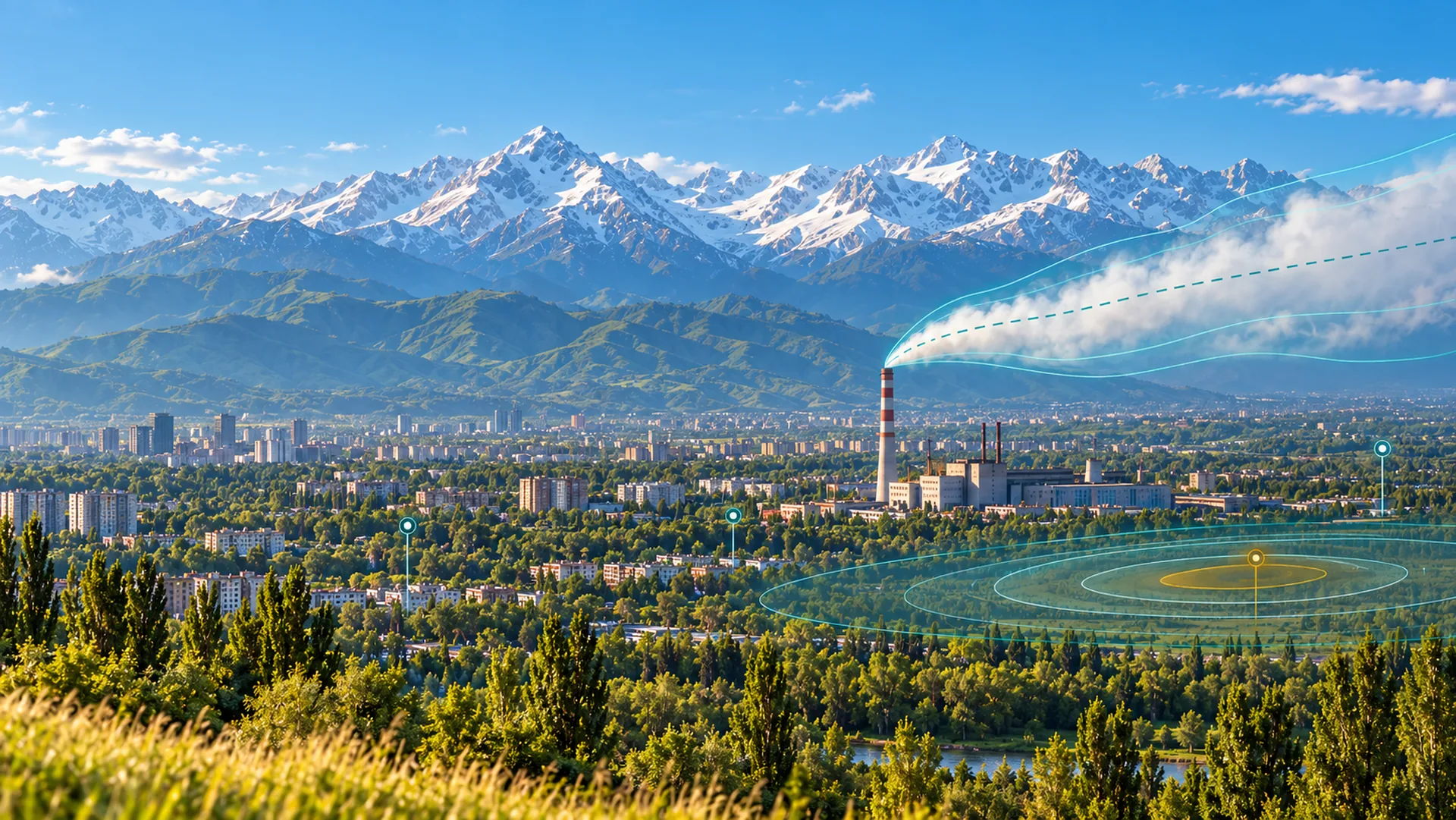
Set up the project
Add the facility, equipment and emission sources.
Air-emissions software for Kazakhstan · Pilot
Organize facility data, calculate emissions with supported methods, explore screening maps, and prepare reports with the inputs and assumptions behind the results.
Built for environmental professionals working with Kazakhstan's calculation methods and regulatory references. Illustrative project data; screening results are not a regulatory compliance determination.
Calculation chain
47 methods calculate now · 78 methods in the public catalog
Air
Air quality index (AQI) from the latest measurements in each city, updated every hour.
Also: Check — review a finished report · EcoSite — site screening
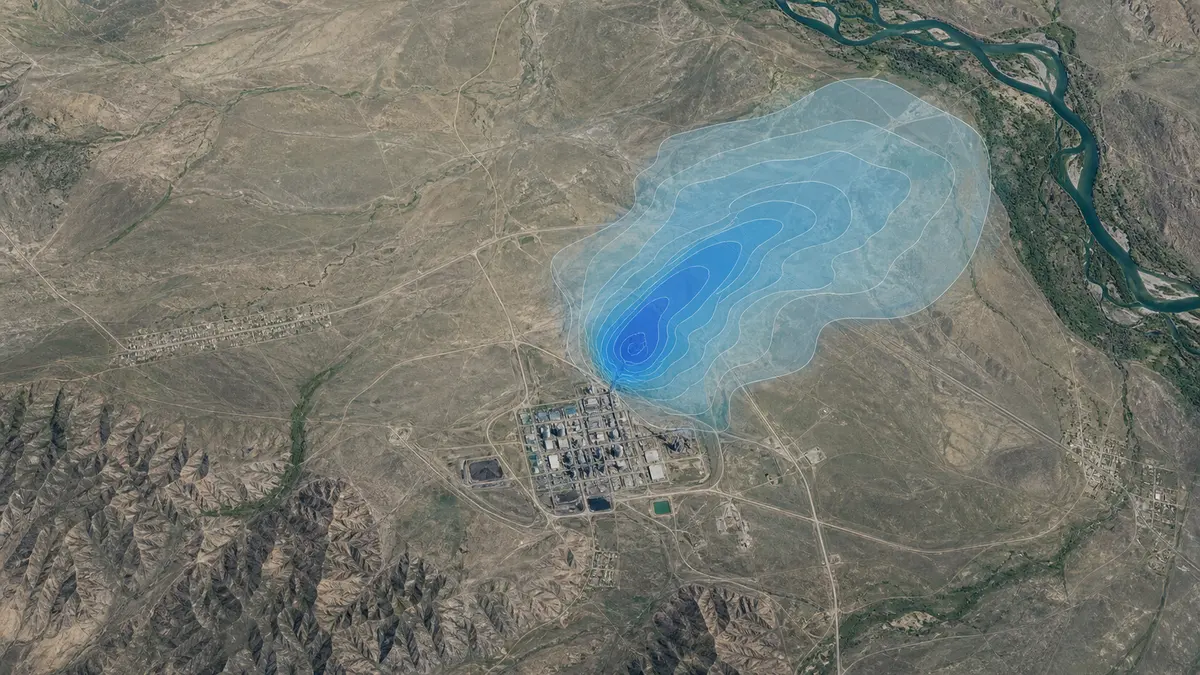
GeoMeteo
Before a calculation, EcoEsep shows a receipt of what has been prepared: which sources are included, which corrections are grouped together, and which inputs are still missing.
How it works
At every step you can see what is ready, which basis is used, and what to do next. The screens below show the same demonstration project — an illustrative boiler house. Built for a facility ecologist, a consultant, and a reviewing expert.
Add the facility, equipment and emission sources.
Choose a supported method and complete guided inputs with units and validation.
Review calculations, assessment scope, screening maps and limitations.
Review outstanding items and generate a draft for professional review.
Pilot version
One project, start to finish
Inspect formulas, input units and source references for supported methods. Calculated results stay separate from measured values, assumptions and missing information.
Calculation chain: equipment/process → method → pollutant → limit (PDK/OBUV) → document. 78 methods and 75 pollutants — from live registries.
The project interview
The selected method determines the questions, units, permitted values, and validation rules. For manual values EcoEsep shows the format and an example; for table values it shows the source table, row, and selected option. When an input changes, the dependent calculation is marked as needing an update.
Enter the total operating time of the source in a typical year.
Enter a whole number, for example 1,840.
Check before you export
Project readiness inside EcoEsep is four questions:
After the check, EcoEsep generates a DOCX report: the methods and formulas behind the results, regulatory references, screening maps, assumptions and limitations — for supported methods. Resolve identified issues before treating the report as final; professional review is required.
Check — report review is a separate tool: it inspects an uploaded report against supported comparisons and shows findings, apart from project readiness; neither is a mandatory stage of the other.
Why EcoEsep
A measurement, a model, a satellite, a limit and an estimate are never blended into one number. Missing data is a status, never a zero.
From a result to the method, the document and the input data, for supported methods.
Limits, documents and calculations keep their version and date context.
The system turns calculation-method requirements into step-by-step questions.
About
EcoEsep connects environmental domain knowledge with a guided software workflow: air-emissions calculations, regulatory references, screening maps and reporting for Kazakhstan. The project focuses on traceable calculations, clear missing-data states and practical review tools.
The platform helps organize the work and preserve the basis of every result. It does not replace professional judgment: method applicability, input quality and regulatory requirements must be checked for each project.
Create a project and add a source — EcoEsep suggests the available methods and the next step.